
Understanding Speech Delays in Toddlers
Many parents wonder whether their child is simply a late talker or experiencing a speech delay. Understanding toddler speech and language milestones can help you identify whether your child’s development is on track and when it may be time to seek professional support.
Every child develops at their own pace, but most children follow a general pattern of speech and language development. Knowing what milestones to look for can help parents recognize early signs of a possible speech delay and take action when needed.
Toddler Speech and Language Milestones
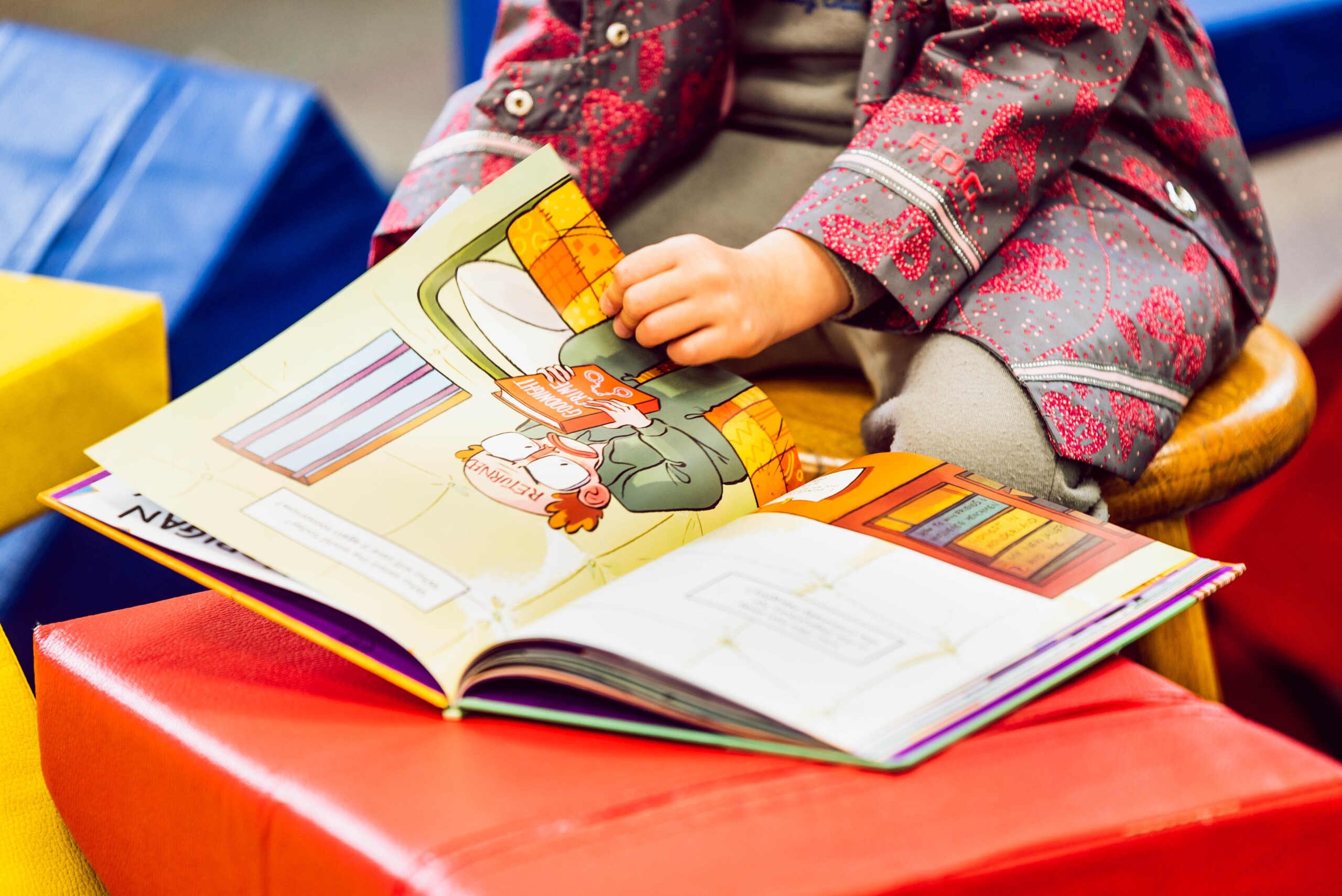 A child’s speech development includes learning to understand language, communicate needs, use sounds and words, and interact with others.
While there is a wide range of normal development, some common language milestones include:
Responding to their name and familiar voices
Understanding simple words and directions
Using gestures such as pointing or waving
Saying their first words
Combining words into short phrases
Increasing their vocabulary over time
If your child is not reaching expected speech and language milestones, it may be helpful to consult a speech-language therapist for guidance.
When Should You Contact a Speech Therapist?
Early identification of speech and language delays is important. A child who is a late talker may catch up naturally, but some children benefit from early intervention and professional support.
A licensed speech-language therapist is trained to recognize the early signs of speech delays and evaluate a child’s communication skills.
Through specialized assessments, the therapist can examine:
Receptive language skills: How well your child understands words, questions, and instructions
Expressive language skills: How your child uses sounds, words, and sentences to communicate
Communication skills in different settings: How your child interacts during play, conversation, and daily activities
The evaluation helps identify factors that may be affecting speech development and creates a plan to support your child’s language growth.
Ways Parents Can Encourage Speech Development
Slow Down When Talking With Your Child; Busy schedules can make it difficult to slow down, especially for parents with multiple children. However, taking extra time when communicating with your child can support speech development.
Try these strategies:
Speak slowly and clearly
Use short, simple sentences
Give your child time to respond
Make sure your child can see your face while you talk
Follow your child’s interests and talk about what they are doing
Children learn language by listening, watching, and participating in conversations.
Read Books Every Day
Reading is one of the best ways to encourage language development in toddlers. Around 18 months of age, many children begin choosing favorite books and asking adults to read the same stories repeatedly.
Although repetition may seem boring to parents, reading the same book over and over helps children learn new words, understand concepts, and recognize language patterns.
During reading time, encourage your child to participate by:
Asking them to point to pictures
Naming objects together
Asking simple questions about the story
Letting them turn pages or choose books
These activities help build vocabulary, comprehension, and communication skills.
Read Aloud to Your Child
Reading aloud does not have to be limited to children’s books. Talking about and reading everyday materials—such as recipes, magazines, or newspapers—also exposes children to new vocabulary and language patterns.
Early exposure to spoken language helps build literacy skills that support future learning.
Research from the University of Washington’s Department of Psychology has shown that young children who pay attention to an adult’s gaze can learn more vocabulary during the first years of life. Shared attention, conversation, and interaction all play important roles in early language development.
Helping Your Child Build Strong Communication Skills
Supporting speech development happens through everyday interactions. Talking with your child, reading together, responding to their attempts to communicate, and seeking professional guidance when needed can help your child develop important language skills.
If you have concerns about your child’s speech or language development, First Words Speech Therapy a can provide an evaluation and recommend strategies tailored to your child’s needs.

