
It is important to monitor your child’s language development. Knowing the milestones and signs of a speech delay can help recognize potential issues. Early treatment can help ensure your child academic, as well as future success.
What Is A Delay In Language?
A delay in a child’s language development is when they aren’t meeting their age appropriate milestones. A language delay can be observed in a child as young as 18 months old, but more typical identified by age 3.
Language Delay vs Speech Delay
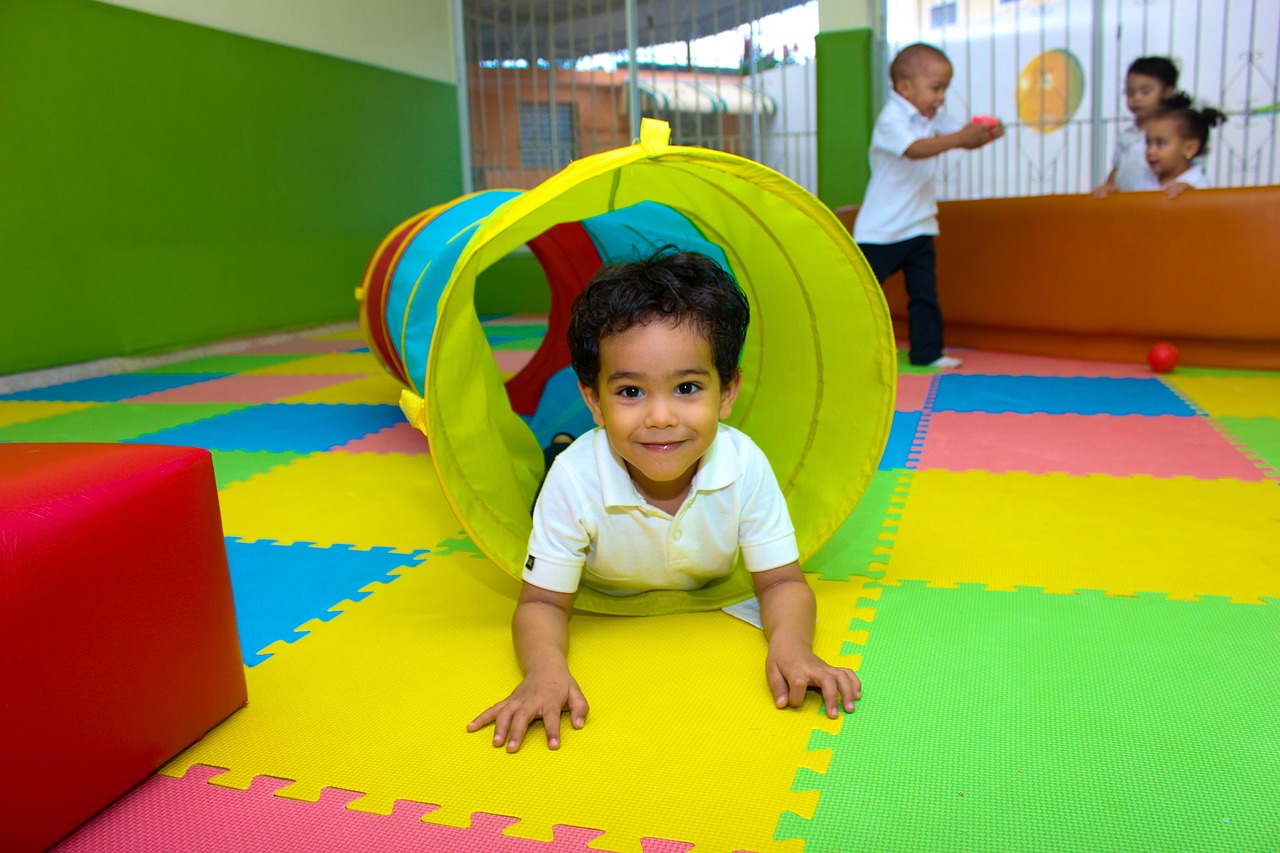 Language delay and speech delay are two separate conditions. A child who has issues producing certain sounds of speech correctly, is a speech delay. While a child with a language delay has difficulty using and understanding the spoken language.
Warning Signs Your Child May Have A Language Delay
There are a variety of ways a language delay can appear in a child. It is important to keep in mind that every child is different and develop at their own rate.
Common Signs Of A Language Delay In A Child
Not Babbling At 15 Months Old
A child’s first attempt at making sounds and words is when they babble. Children at this age aim to imitate sounds and typically say “dada” and “mama”.
Not Talking By 2 Years Old
On average, a child 2 to 3 years of age can say an assortment of words. Some are able to say 50 to 100 words, others can say more than 200. “Uses word combinations often but may occasionally repeat some words or phrases, like baby – baby – baby sit down or I want – I want juice,” according to the American Speech Language Association (ASHA).
ASHA suggest to, “Ask your child to make a choice instead of giving a yes or no answer. For example, rather than asking, “Do you want milk?” ask, “Would you like milk or water?” Be sure to wait for the answer and praise them for answering”
Difficulty Understanding Simple Directions By Age 3
A child should understand simple two part directions and questions by age 3. Such as, “get the cup and put it on the table”.
ASHA suggest, “help your child understand by asking them questions. Have them try to fool you with their own questions. Make this a game by pretending that some of their questions fool you.
Early Intervention Is Key
When speech and language issues are identified early, treatment has positive results. If you have any questions or concerns, we encourage you to contact First Words Therapy. We take a holistic approach to speech-language-therapy to help your child communicate more effectively.

